
Blog
Choosing Chandeliers and Lighting for Your Space
When choosing lighting, think about how the model you like will work in your space. Room size, ceiling height, how the room is used and the furniture layout together determine which chandelier or pendant will suit it.
A chandelier in proportion to the room helps create balance in the décor. For adequate lighting, the amount and distribution of light should be considered as well as the size of the fitting. At Rönesans Avize, we recommend weighing aesthetics and functionality together when you choose.
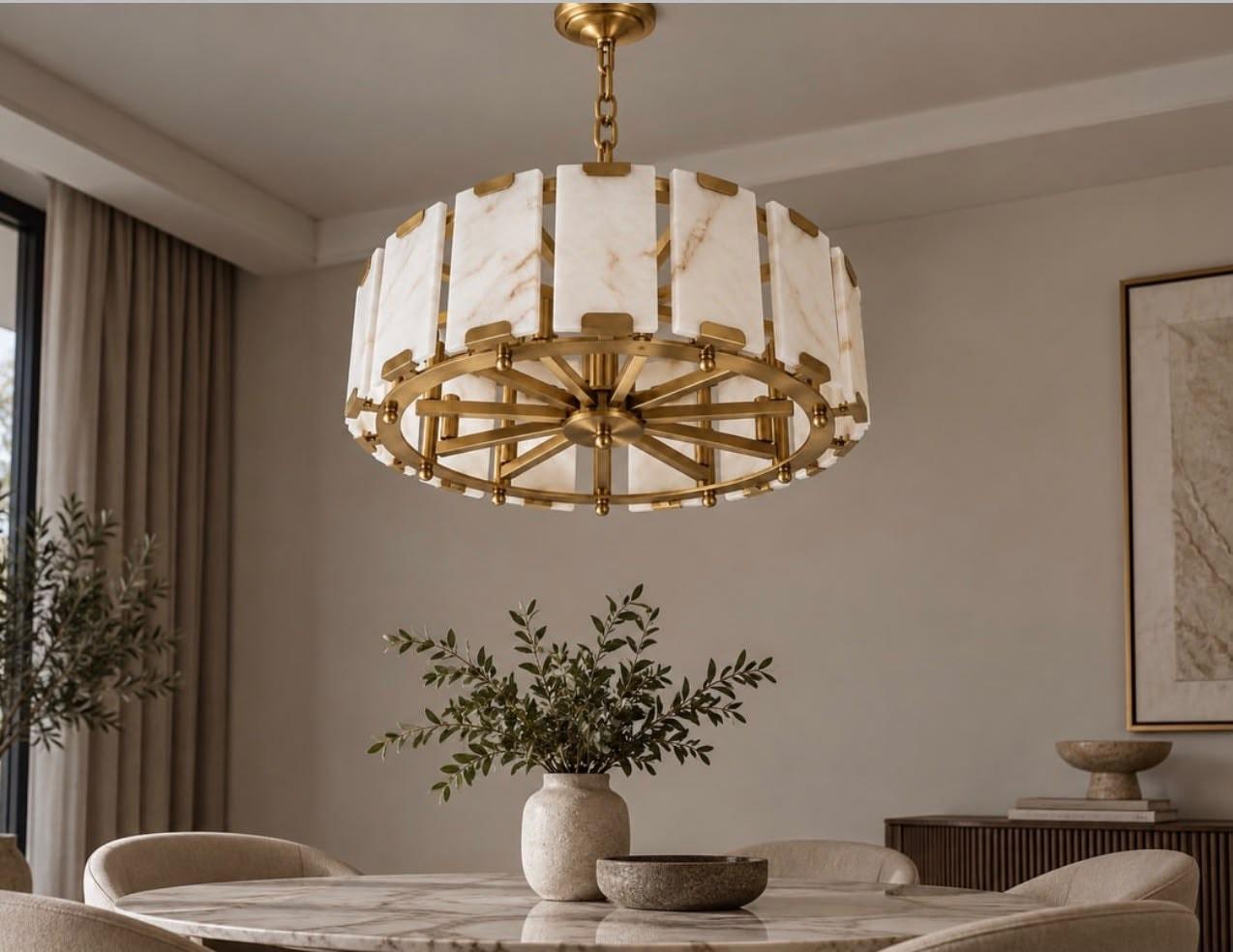
Room size and ceiling height
In a large living room, a small chandelier can fade into the background. In a small room, a very large model can make the space feel more crowded than it is. So start by noting the room’s width, length and ceiling height, and consider the product’s actual dimensions together with the furniture layout.
With high ceilings, long pendants or tiered chandeliers can emphasise the height of the room. With lower ceilings, you can compare close-to-ceiling models, flush-mount ceiling lights and short pendants. A flush-mount ceiling light is a type of fitting mounted close to the ceiling. Make sure the product you choose does not narrow door openings or walkways.
When you visit our store, bring photos of the room taken from two different angles. Show where the electrical connection on the ceiling is, too; this point does not always line up with the centre of the furniture layout.
How to choose lighting for the living room
The living room brings together different needs, from conversation to reading. For the main lighting, you can choose a chandelier suited to the scale of the room and add wall lights or floor lamps where you need them. Distinguishing between general light, task light aimed at a specific activity and accent light that highlights a surface helps you plan the layout.[1]
Sitting in a reading chair or in front of the television, check whether the light shines directly into your eyes. If possible, see the model you like switched on; the brightness and colour in a photo can be affected by the conditions in which it was taken.
Chandeliers and pendants over the dining table
A separate pendant or chandelier over the table can visually define the dining area. A ring-shaped model over a round table, or a horizontally extending pendant over a long table, can be a starting point. Make the final decision with the actual dimensions of the table and the product.
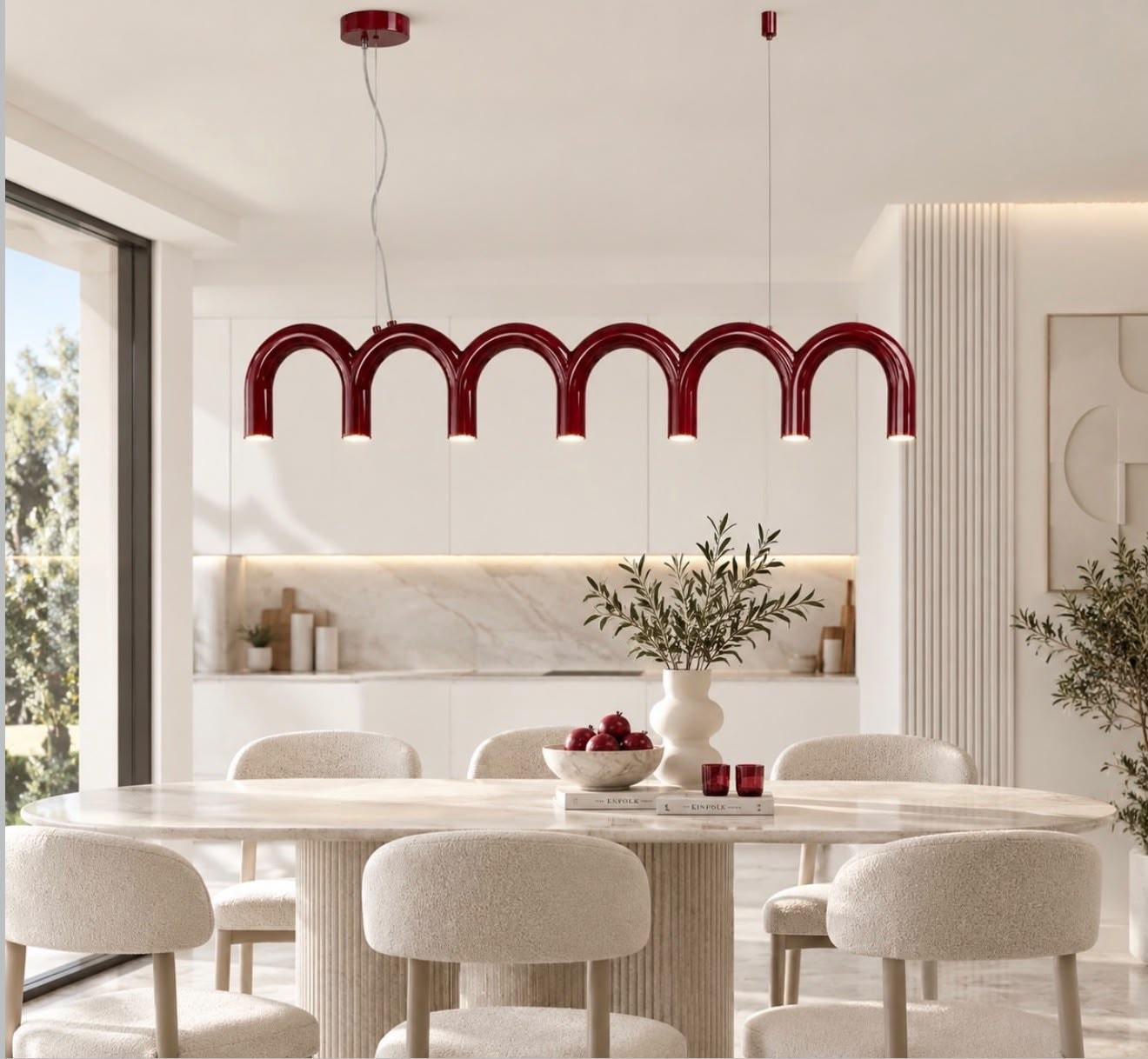
Note the width and length of the table, the distance between the tabletop and the ceiling, and where the electrical connection is. When seated, you should be able to see the person opposite you comfortably. Ask whether the hanging height of the specific product can be adjusted; don’t assume a single hanging height suits every space.
Lighting the kitchen and island
In the kitchen, the surfaces where food is prepared need to be well lit. Single or multiple pendants can be considered over a kitchen island. When deciding on their number and spacing, consider how each product distributes light as well as the length and width of the island.
While working at the counter, check whether the light falls behind you and casts a shadow on the preparation surface. A pendant should look good, but it matters just as much that it makes your everyday tasks easier.
Softer lighting in the bedroom
In the bedroom, consider rest and reading as separate needs. Alongside the main lighting, you can use wall lights or single pendants on either side of the bed. Wall- or ceiling-mounted models can free up space on the bedside table in a small room.
Make sure the light source does not shine directly into your eyes while you are lying down or reading. Consider whether the wall light you like is suitable for reading, which way it directs light and where its switch is. Not every decorative-looking wall light will meet the same practical need.
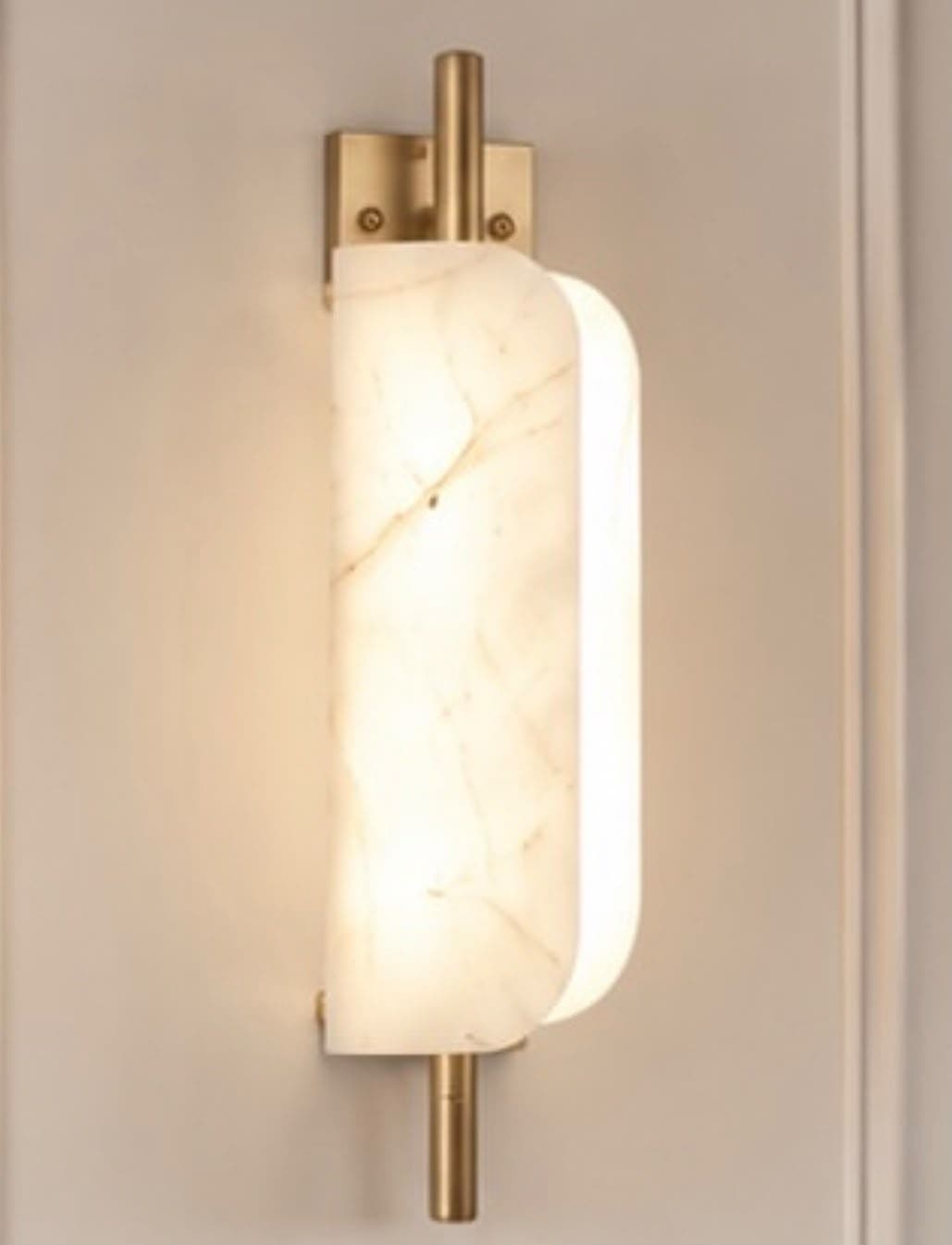
Keep walkways clear in hallways and entrances
In narrow hallways, you can compare close-to-ceiling models and wall lights. Check how far the product projects from the wall or ceiling. Choose a placement that does not stop doors from opening or get in the way of walking comfortably along the hallway.
In a spacious entrance hall, a chandelier can become the focal point of the entry. In a long, narrow hallway, however, take care that the light is not concentrated at a single point; consider what is needed along the corners and passages.
Pairing chandeliers and wall lights
Your lights do not have to come from the same series. A shared metal tone, a repeated curve or similar surfaces can link different models. First decide what each light is for, then consider how it looks alongside your curtains, furniture and wall colours. Rather than drawing conclusions about materials from a veined or glossy look in a photo, ask for the product details.
Planning lighting for double-height spaces
In a double-height space, the ceiling height, the width of the void and the sightlines from different floors should be considered together. Multiple pendants hung long or at different levels can emphasise this vertical space. The number of fittings and how far they drop should be planned around the dimensions of the space.
Think from the outset about how you will reach the fitting for cleaning and for changing the light source. Check how it relates to the stairs and upper-floor walkways. Compare the dimensions of standard models; if you need a custom size, talk to our stores about which options are feasible.
Lighting for hotels, restaurants and commercial spaces
In commercial spaces, lighting shapes the atmosphere as well as meeting practical needs. In a hotel lobby, a large chandelier can create a focal point; in a restaurant, localised light over the tables can define the dining areas. In a shop, it is important that products can be examined easily and that circulation areas are clearly visible.
When choosing, consider how intensively the space is used, its work areas and access for maintenance, in addition to its dimensions. Approach the choice of decorative products together with the overall lighting plan for the space.
Information to prepare before you choose
- The room’s width and length, and its ceiling height.
- The dimensions of the table or kitchen island, and the locations of electrical connections.
- Photos from different angles showing the furniture and walls.
- Activities that need extra light, such as reading or preparing food.
- Your budget and a few models you like.
Before choosing a product, find out its body dimensions, how the hanging height is adjusted, how the light source is replaced and, where applicable, whether it is dimmer compatible. Don’t assume these features are the same for every model.
Get in touch with our Kyrenia and Nicosia stores
Share your room’s dimensions and photos with our Kyrenia or Nicosia store to get information about suitable chandelier, pendant and wall light options. At Rönesans Avize, you can view the models you like and discuss product features and the options that suit your space.
Source
- [1]U.S. Department of Energy — Efficient Lighting Strategies (opens in a new tab) (PDF — definitions of ambient, task and accent lighting) ↑ Back to text
More from our blog
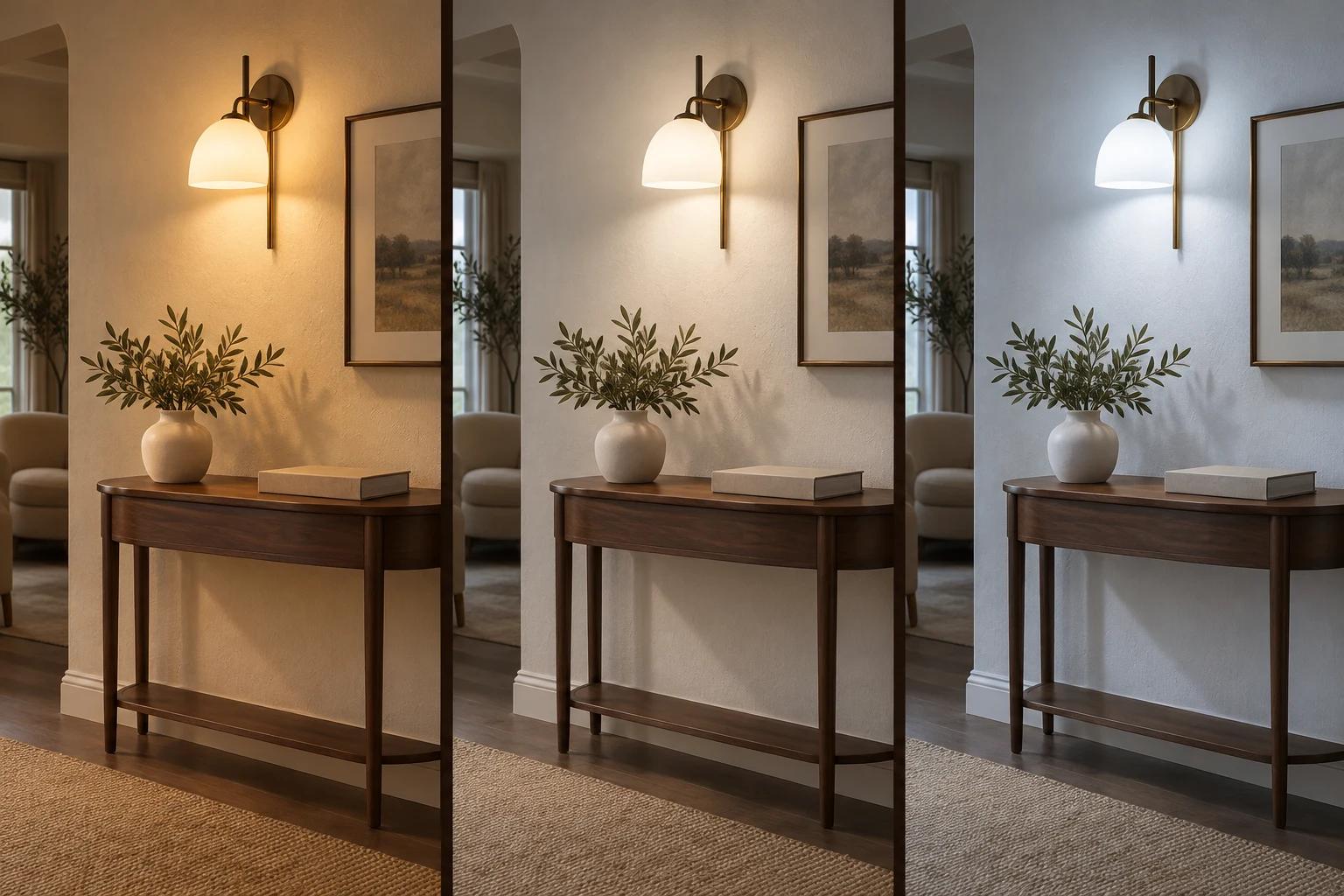
Choosing Light Colour Temperature: Which Kelvin for Each Room?
Explore warm, neutral and cool white light, and learn how to consider colour temperature, light output and distribution for the way you use each room.
Read the article: Choosing Light Colour Temperature: Which Kelvin for Each Room?